The psychology behind player behavior in the casino environment
The allure of risk and reward
The casino environment is meticulously designed to captivate players, drawing them in with the promise of potential gains. This allure often stems from a basic psychological principle: the human brain is hardwired to respond to the prospect of reward. When a player experiences a win, even if it’s a small one, it activates the brain’s pleasure centers, leading to feelings of excitement and euphoria. Thus, those exploring options online may also consider curacao casinos not on gamstop, as this can enhance their gaming experience. This psychological boost encourages players to continue gambling, chasing that high-stakes thrill.

Moreover, the unpredictability of outcomes plays a significant role in reinforcing this behavior. The uncertainty of winning or losing can trigger a sense of anticipation, making the experience more engaging. This phenomenon is known as intermittent reinforcement, where rewards are given sporadically, creating a cycle of hope and excitement that keeps players returning to the tables and machines.
The impact of social influences
Social dynamics also shape player behavior within casinos. The communal atmosphere, filled with laughter and cheers, creates a collective experience that can influence individual decision-making. People are often swayed by the actions of others, whether it’s celebrating a big win or commiserating over a loss. This social reinforcement can lead to riskier bets or extended play times, as players want to be part of the collective excitement.
Additionally, peer pressure can play a significant role in gambling behavior. Friends or acquaintances may encourage one another to partake in higher stakes or to keep playing despite losses. This social component not only enhances the thrill of gambling but can also lead to unhealthy habits, as individuals may prioritize social acceptance over their financial well-being.
The role of environment and design
The physical layout and design of a casino are integral to influencing player behavior. Casinos often employ specific color schemes, lighting, and sounds that evoke particular emotional responses. Bright colors and flashing lights can create a sense of euphoria and excitement, while soothing sounds might encourage players to linger longer. This sensory stimulation is designed to immerse players in a world where time loses significance, compelling them to continue gambling.
Furthermore, the arrangement of gaming tables and machines fosters a sense of accessibility and immediacy. Players can move from one game to another with ease, often leading to impulsive decisions. This layout is intentionally crafted to keep players engaged, minimizing distractions and maximizing the time spent in the gaming environment.
The psychological effects of winning and losing
Winning in a casino can lead to feelings of invincibility and heightened self-esteem. Players may develop a false sense of mastery over the games, believing that their skills or strategies are the key to success. This cognitive bias can drive individuals to continue gambling, despite contrary evidence, such as a series of losses. The psychological phenomenon known as the “gambler’s fallacy” further complicates this behavior, where players may believe that a win is “due” after a streak of losses.
Conversely, losing can lead to a range of emotional responses, from frustration to desperation. Some players may fall into a cycle of chasing their losses, convinced that another bet will reverse their fortunes. This emotional rollercoaster can have detrimental effects, leading to compulsive gambling behavior and potential financial ruin.
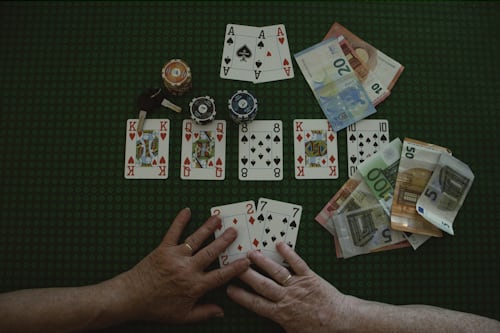
Prioritizing user safety in the casino environment
The psychology of player behavior is crucial for understanding the dynamics of the casino environment. With the potential for both positive and negative experiences, it’s essential for casinos to prioritize the safety and well-being of their patrons. This includes implementing responsible gambling measures and providing resources for those who may need assistance. By creating a supportive environment, casinos can foster healthier gambling habits while still allowing players to enjoy the thrill of gaming.
In conclusion, the interplay between psychology and casino design creates a complex landscape for player behavior. By acknowledging these influences, both players and casino operators can work towards a more balanced and enjoyable gambling experience, ensuring safety and enjoyment remain at the forefront of the industry.